

Summary
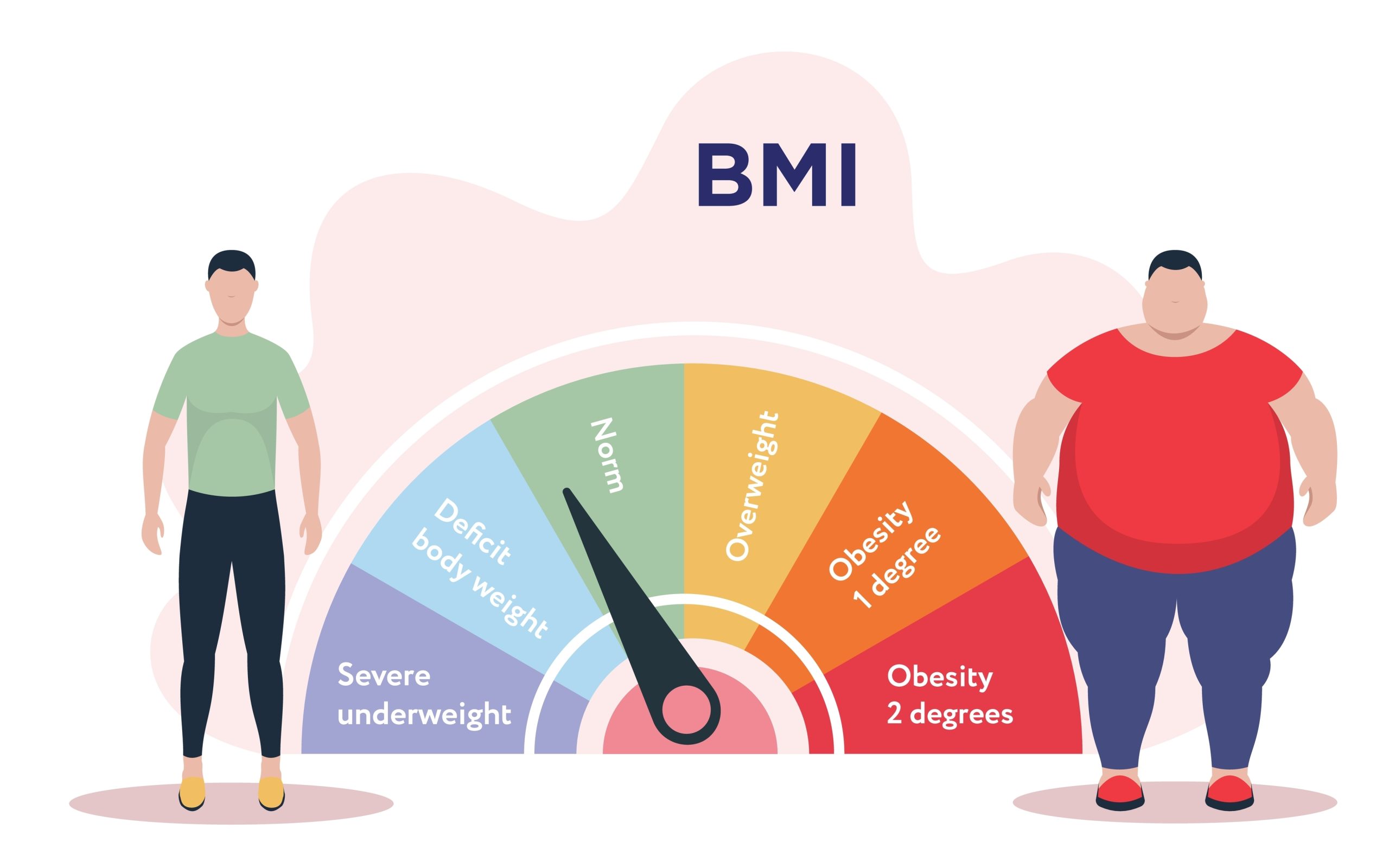
As health professionals and researchers continue to debate the effectiveness of the Body Mass Index (BMI), a growing number are advocating for a more comprehensive obesity index. This new metric could provide deeper insights into disease risk, challenging the traditional measure that has been in use for nearly 200 years.
Key Details
The Body Mass Index, while widely used, has been criticized for its oversimplified approach to determining obesity. Critics argue that BMI does not account for factors such as muscle mass, fat distribution, and overall health. Recent studies suggest that a new obesity index could integrate these variables, offering a more accurate prediction of an individual’s health risks.
- Historical Context: BMI has been used since the early 19th century.
- Limitations: It fails to distinguish between muscle and fat, leading to misleading classifications.
- Proposed Solutions: Researchers are looking at alternatives that consider metabolic health and fat distribution.
Why It Matters
Transitioning to a more precise obesity index could revolutionize how we approach public health. By accurately identifying individuals at risk for obesity-related diseases, healthcare providers could tailor prevention strategies more effectively. This shift could also reduce the stigma associated with traditional BMI measurements, fostering a more supportive environment for individuals seeking health improvements.
What Could Happen Next
As research continues, we may see the development of new guidelines that prioritize comprehensive health assessments over BMI alone. If a new obesity index gains traction, it could prompt changes in clinical practices and public health policies, ultimately leading to better health outcomes for individuals at risk of obesity-related diseases.